
Collaborator Spotlight: Tom Humphreys, Director and Co-owner, Humphreys Yacht Design
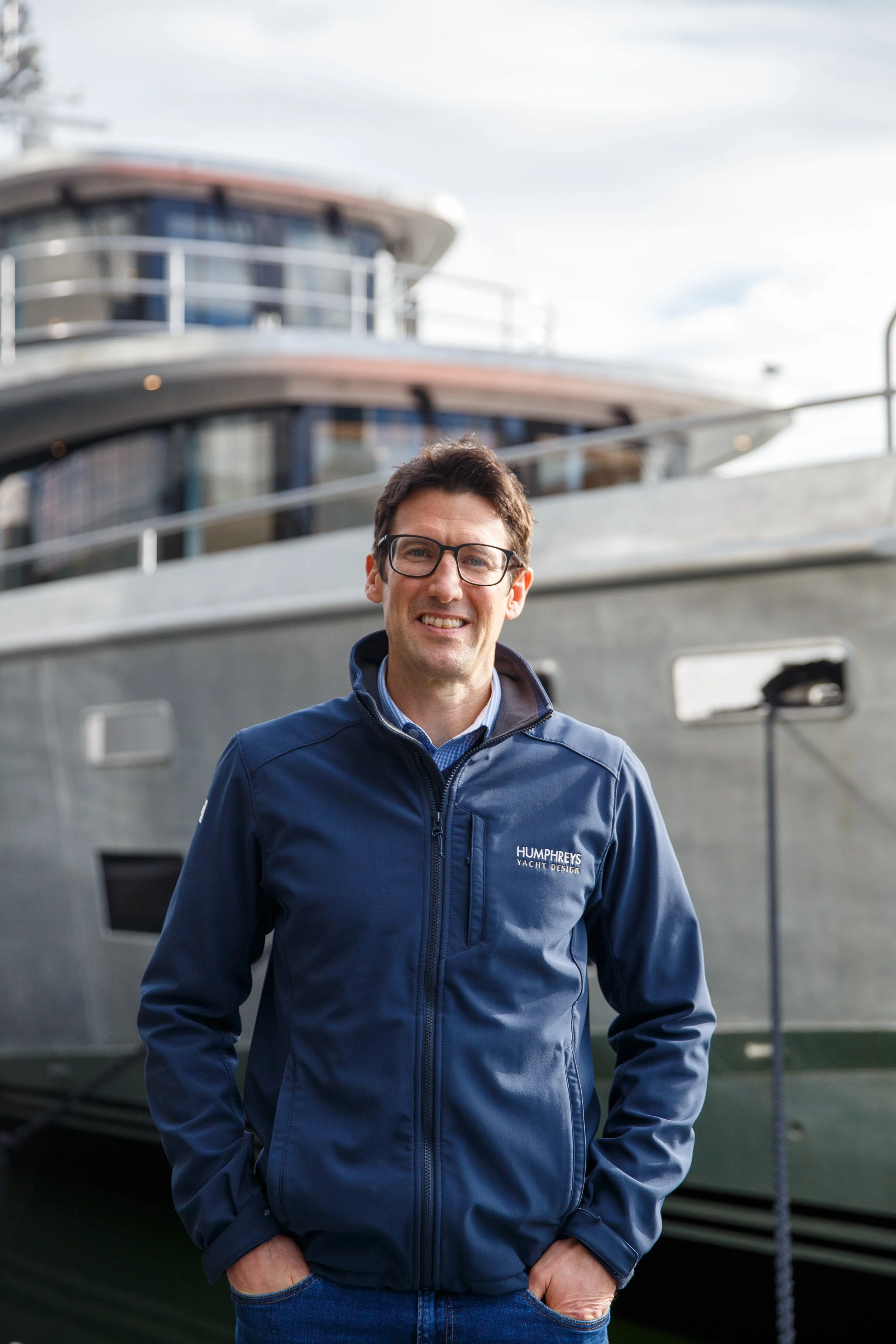
Tom Humphreys, Director & Co-owner, Humphreys Yacht Design
(Image credit: Humphreys Yacht Design)

Oyster Sailing Yacht
(Image credit: Oyster Yachts)
SGS is all about sustainability and Humphreys has a world-class reputation for yacht racing performance — how does that high-precision, competition-driven design mindset translate into your work on commercial and sustainable wind-propulsion systems like FastRig?
Yacht racing success essentially comes down to two things – efficiency and durability. Our vast experience on both the grand prix racecourse and through the harshness of the world’s oceans has given us the insight and the technical means to meet the most challenging of briefs. Sustainable wind propulsion in commercial shipping responds to the very same approach, and as experienced innovators and problem-solvers HYD feels very much at home.
How does your naval-architecture expertise — particularly in aero-dynamics, hull optimisation, stability, and load analysis — shape the integration of SGS’s next-generation wings into different classes of ships? What benefits might we expect to see if you were able to influence the whole ship design for new build projects?
The deliberate versatility of the FastRig design allows integration into a variety of vessel types, both as a retrofit solution and for newbuilds. We take a holistic view before drilling down into detail and, in seeing the project as a whole, we are able to evaluate not only key naval architectural principles but also the practicalities of operational use to ensure compromises are minimised. We certainly think the starting point for fleet emission reduction is through retrofit but we would relish the opportunity to design a new ship from the outset, incorporating FastRigs but with detailed oversight of other aspects that could further enhance the efficiency of the overall package.
You’ve designed everything from cutting-edge racing yachts to the Arksen adventure motorboat range — what lessons from these diverse vessel types do you think would help enhance vessels in the commercial sector?
We have enjoyed an eclectic mix of projects throughout our studio’s history and this has given us a huge and detailed knowledge base. But whatever the challenge, the prevailing theme throughout has been our quest for efficiency. This mindset, and indeed toolset, has put us in a good place across the sailing spectrum – grand prix inshore to trans-oceanic passagemaking and racing – and in exactly the same way has enabled us to deliver exceptional range and endurance for our motor yacht projects. For our expedition yachts – such as the Arksen series – range and general capability is hugely important, and the same general ethos stands us in good shape, we believe, in the commercial sector where small gains throughout can be a significant accumulated benefit and enhanced return on investment.
What challenges arise when translating design principles perfected in high-performance sailing yachts into robust, operationally efficient systems for large ships, and how did you overcome them?
We conceived the FastRig solution as a balance between race-inspired aerodynamic efficiency and pragmatic versatility. We needed them to make a properly meaningful reduction in the ship’s overall fuel burn, and at the same time we wanted them to hide away as best as possible when it came to dockside operations. And all this of course had to meet demanding engineering requirements, living hand-in-glove with the developing regulatory environment.
Looking ahead, how do you see innovations pioneered in the yacht and motorboat sectors continuing to accelerate the development of scalable, sustainable propulsion solutions for the wider maritime industry?
At the most expensive end of leisure boating - the Superyacht world - owners are often prepared to push boundaries in ways that might be long stalled in the commercial sector for reasons of prudence, accountability and even bureaucracy. But this unburdened experimentation could be considered a laboratory for the commercial world, pointing at new directions and even taking significant steps along such paths. With an active presence in both the Superyacht sector and the commercial world through our long-established collaboration with SGS, we would like to think we are a good conduit between the vast R&D investment that excites the private sector and the commercially accountable marine traffic that services the world’s economy.
What recent project are you most proud of, and why?
All our projects make an indelible mark on the HYD studio’s history. Our 30-year work with Oyster has generated over 100 circumnavigations, and our recent work with explorer vessels such as the Arksen 85 and Humphreys Custom 50m Motor Yacht have exemplified our ambitions in providing highly efficient hull forms, super-economical in fuel usage and facilitating long, self-sufficient exploration.