
Energy vS Energy Efficiency And Why It Matters
Di Gilpin - Founder & CEO
Energy moves ships through water. Energy efficiency does not.
Energy Efficiency, pretty obviously, makes energy go further, but even if you have the smoothest, airiest bottom and the smartest route, without energy you’re not going anywhere.
We Brits are very proud of the Scottish-built Cutty Sark. One of the fastest Clipper ships in the world. She could reach more than 17 knots.
That is by sails are harnessing wind energy.
This is a snap I took when visiting the marvellous Cutty Sark museum in Greenwich.
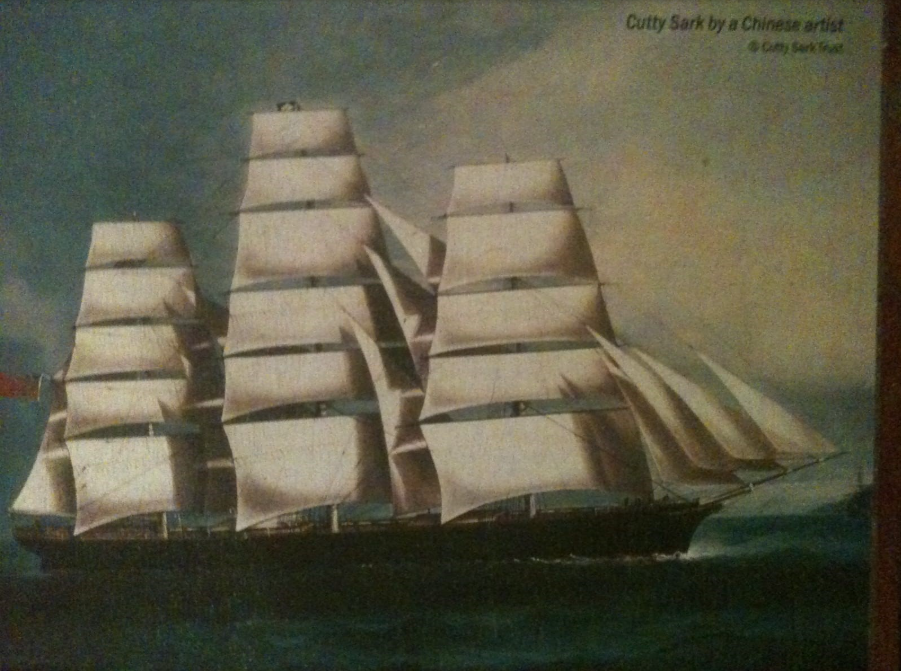
Those sails harness energy. Wind energy.
Her multiple sail design made Cutty Sark (which, fun fact, means 'short nightie' in old Scottish) especially fast, and her copper bottom (you really should visit the museum – there's so much to learn) improved her ability to use the wind energy so efficiently it made her one of the fastest ships in the world.
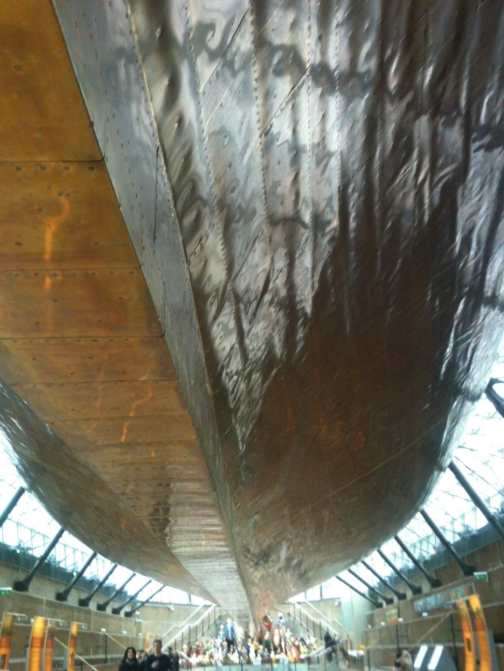
A copper-bottom opportunity.
She brought us our tea faster, and tea is critically important to UK productivity.
When the reality of commerce, high demand, and price sensitivity drives industrial design, things get really interesting.
Another favourite ship is the Flying Cloud. She was designed and built in response to the Gold Rush. Her job was to rush resources from the East Coast of the USA and bring gold back for marketing.
In both cases the need for speed drove design breakthroughs. The Flying Cloud broke the world sailing speed record and held it for 109 years. She was able to do that because sail power innovation was interrupted by the switch to fossil fuels.
That means there’s more than a century of latent potential in wind propulsion design now enabled by super light, robust materials; aerospace aerodynamic analyses tools; AI; machine learning and commercial motivation.
Global shipping is the epicentre of the Iran-Israel-US conflict. The commercial need to reduce dependency on fossil fuels could not be clearer.
Used to augment fuel requirements, wind power reduces the need for fuel – fossil or otherwise – to maintain service speeds. When everyone around you is slow steaming, that’s a strong competitive advantage. If you slow steam with wind assisting your propulsive power, you’re saving even more money than your 100% fossil competitors. Or the same speed, less fuel; the same fuel, more speed.
The smart money knows that this is a dress rehearsal for a fleet powered by alternative fuel, which will be more expensive and scarcer, meaning commodity markets drive volatility and make business more volatile.
21st-century retrofitted wind propulsion is ready now, can be swiftly installed and has performance guaranteed.
It’s a no-regrets solution.